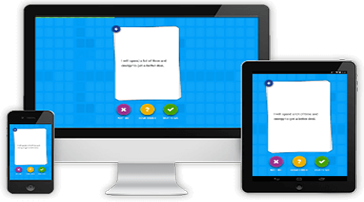
We all come from different circumstances, with unique biases and behaviors. Money Habitudes helps you understand what’s important to your clients--what motivates and reinforces their behaviors. Those insights are an invaluable asset when it comes to connecting with your clients.
We all come from different circumstances, with unique biases and behaviors. Money Habitudes helps you understand what’s important to your clients–what motivates and reinforces their behaviors. Those insights are an invaluable asset when it comes to connecting with your clients.
Money Habitudes is intuitive and user-friendly. A guide is available for more in depth information, but no special training or certification is required.
Your own attitudes and beliefs around money can unknowingly affect how you interact with and advise your clients. Discover how you may unintentionally come across as judgmental or unsympathetic when working with clients across socioeconomic backgrounds — or how you may overlook information if you readily identify with your clients.
When individuals can choose between a boring lecture about money or one that is hands-on and judgment-free, they’ll choose the latter. Money Habitudes makes your financial education sessions an unforgettable, engaging experience.
Heath Carelock, MPS, PMP®, AFC®, Director of the Financial Empowerment Center at Prince Georges Community... Read More
Participants in the financial classes at Women, Work & Community in Maine are often there... Read More
Donna Stallings, a case manager at Virginia Supportive Housing (VSH), was looking for a way... Read More
The State of Texas mandates that any Texan who files for bankruptcy must attend a... Read More
Saundra Davis knows getting students to understand the role of habits, attitudes, emotions and behaviors... Read More
To have such a quick pick-up tool that is this effective is very rare. It’s a minimum investment for a maximum return.
Robin McKinney MSW, CEO, CASH Campaign of Maryland
People are more receptive to our other financial education materials after they complete Money Habitudes. It’s been very positive for us.
Joanie Davis Community Initiatives Director, United Way of Henry County & Martinsville, VA
I appreciate that Money Habitudes is interactive. My clients prefer a hands-on and personalized activity rather than simply listening to a speaker. It has been a great vehicle for education.
Monika Woods Jacksonville, Director, NMCRS
We use Money Habitudes for a financial coaching program and have found them incredibly impactful. It was super helpful to have the online version as a resource when we had to go virtual!
Jaimie Miller Executive Director, Iowa Credit Union Foundation
Syble Solomon, a personal-finance consultant and founder of LifeWise Strategies, let us in on the sneaky ways our psychology can fool us into overspending.
When individuals seem to be facing the same financial challenges repeatedly, it’s a good bet that their behavior is actually fulfilling an important emotional need.
We don’t talk about money enough. There are lots of discussions about consumer spending habits, especially this time of year, but the therapeutic conversations that keep people from making major financial blunders often never take place.
Articles, activities and more that you may use and reproduce for you work. Examples are:
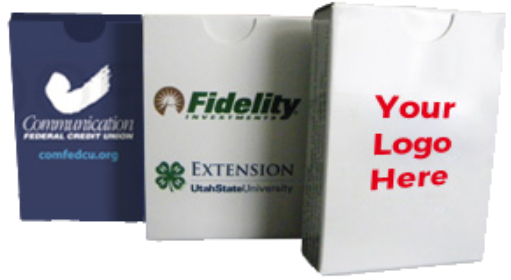
Our physical card decks and the online version can be branded to your business, providing a more personalized experience for your clients. Learn More